
Exploring Urban Agriculture: Insights from Jessey Njau of Zawadi Farm
By Aaliyah Vasquez · · 4 min read
Urban farming is transforming the way we think about food, sustainability, and community. With growing interest in local produce and eco-friendly practices, conversations with urban farmers like Jessey Njau of Zawadi Farm shed light on the innovative approaches being adopted in city landscapes.
The Vision Behind Zawadi Farm
Zawadi Farm, based in the heart of the city, embodies a unique vision of agriculture that aligns with urban living. Jessey Njau, the founder, started this initiative not only to provide fresh produce but also to educate the community about the benefits of urban agriculture. The name Zawadi, which translates to “gift” in Swahili, reflects the farm’s mission: to give back to the community through healthy food and sustainable practices.
Jessey’s journey into farming was driven by a keen desire to bridge the gap between urban dwellers and their food sources. He noted that many people living in cities are disconnected from where their food comes from. By cultivating crops within the urban environment, Zawadi Farm aims to create a more self-sufficient community while encouraging residents to take an active role in their food choices.
Growing in the Concrete Jungle
One of the most significant challenges urban farmers face is the lack of space. Jessey has developed innovative solutions to maximize limited urban areas. Vertical gardening is a key technique employed at Zawadi Farm. By using vertical planters and hydroponics, the farm is able to produce a significant amount of food in small spaces. This method not only saves land but also reduces water usage, making it an environmentally friendly option.
In addition, Jessey has embraced the idea of community involvement. Residents are encouraged to participate in the farming process, whether through workshops, volunteer days, or even personal plots within the farm. This not only builds a sense of community but also educates participants on sustainable practices and the importance of locally sourced food.
Varieties of Produce and Sustainability Practices
Zawadi Farm grows a diverse range of crops, focusing on seasonal and indigenous plants. Jessey believes that this practice is crucial for promoting biodiversity and ensuring that the farm remains adaptable to changing climatic conditions. Seasonal planting also allows for the freshest produce to be available to the community throughout the year.
One notable feature of Zawadi Farm is its commitment to organic farming. Jessey implements sustainable practices such as composting, crop rotation, and natural pest control methods. By avoiding synthetic fertilizers and pesticides, the farm not only produces healthier food but also contributes positively to the local ecosystem.
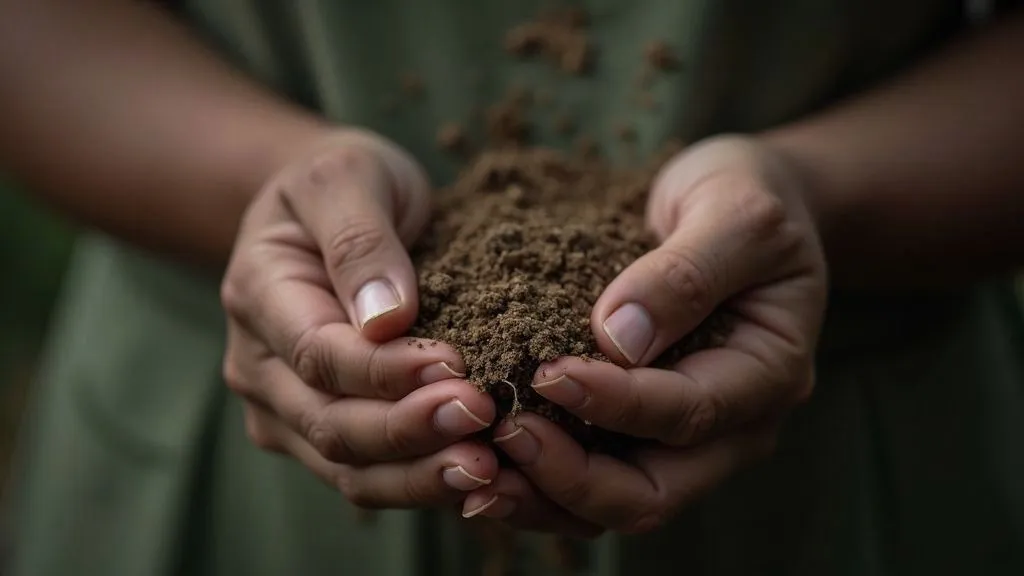
Jessey emphasizes the importance of soil health, stating that healthy soil is the foundation of any successful farm. Zawadi Farm regularly tests its soil and uses organic amendments to improve its quality. This attention to the earth’s health is reflected in the quality of the produce, which is richer in nutrients and flavor.
Educational Initiatives and Community Engagement
Education is a cornerstone of Zawadi Farm’s mission. Jessey has established various programs aimed at teaching urban residents about the benefits of urban farming and sustainable living. Workshops on topics like composting, seasonal cooking, and gardening basics are popular among community members. These sessions not only impart valuable knowledge but also foster a sense of ownership and pride in the local food system.
Jessey also collaborates with local schools to introduce children to the concepts of farming and healthy eating. Programs that involve students in gardening activities help instill a sense of responsibility towards food sources. This early involvement can encourage healthier eating habits and greater appreciation for fresh produce.
The farm often hosts open days and community events, where locals can visit, tour the farm, and learn more about urban agriculture. These events serve as a platform for building relationships within the community, allowing residents to connect with each other while learning about sustainable practices.
Challenges Faced by Urban Farmers
While urban farming presents many opportunities, it is not without its challenges. Jessey faces issues such as funding, zoning regulations, and competition from larger agricultural enterprises. Securing grants and support is essential for the continued growth of Zawadi Farm, yet navigating the bureaucratic landscape can be daunting.
Weather fluctuations also pose a challenge. Urban farmers must be adaptable, as city environments can create distinct microclimates. Jessey has learned to adjust planting schedules and crop choices based on these variations, ensuring a steady supply of produce regardless of external conditions.
The Future of Urban Farming
Looking ahead, Jessey envisions a future where urban farming becomes a fundamental aspect of city living. He believes that as more people recognize the value of local, fresh produce, the demand for urban farms will grow. His hopes are not just for Zawadi Farm but for a movement that encourages cities worldwide to embrace urban agriculture.
Innovations in technology could play a significant role in this future. From advanced hydroponic systems to urban farming apps that connect consumers with local producers, technology can enhance the efficiency and reach of urban farms. Jessey is excited about the possibilities and is keen on integrating new tools that can benefit Zawadi Farm and its community.