
Harnessing the Power of Fiber: How Pulp Crunch Boosts Your Health
By Aaliyah Vasquez · · 4 min read
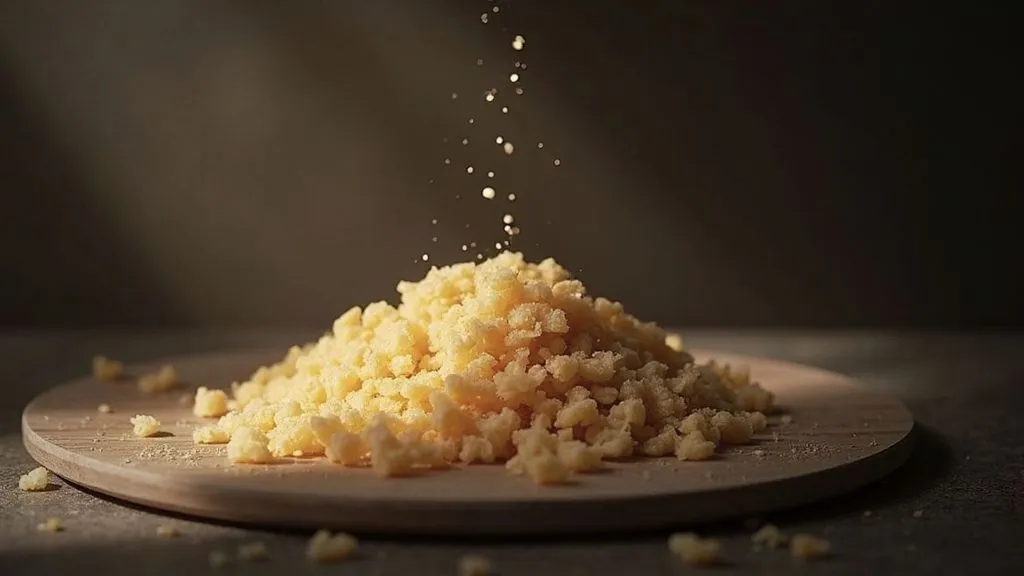
Fiber is often overlooked, yet it’s a cornerstone of a balanced diet that can elevate overall health. With the growing awareness of nutrition’s role in well-being, more health enthusiasts are turning their attention to fiber-rich foods. One delicious option that stands out is Pulp Crunch, a nutrient-dense product packed with fiber. Let’s explore the significance of fiber in our diets and why Pulp Crunch deserves a spot on your table.
The Role of Fiber in Health
Fiber is a type of carbohydrate that the body cannot digest. Unlike other carbohydrates that break down into sugar molecules, fiber passes through the digestive system relatively intact. This unique characteristic gives fiber a multitude of benefits that contribute to overall health.
Types of Fiber
There are two primary types of dietary fiber: soluble and insoluble. Both types play unique roles in digestion and health.
-
Soluble Fiber: This type dissolves in water and forms a gel-like substance in the gut. It’s known for helping to lower blood cholesterol and glucose levels. Foods high in soluble fiber include oats, legumes, apples, and, of course, Pulp Crunch.
-
Insoluble Fiber: This type does not dissolve in water and helps add bulk to stool, aiding in regularity. It is found in whole grains, nuts, and vegetables like carrots and celery.
A balanced diet should include both types of fiber for optimal health benefits.
Health Benefits of Fiber
-
Digestive Health: Fiber is crucial for maintaining gut health. It supports regular bowel movements and prevents constipation. A fiber-rich diet can also reduce the risk of digestive disorders such as diverticulitis.
-
Weight Management: High-fiber foods are often more filling than their low-fiber counterparts, leading to greater satiety. By incorporating fiber into meals, you may find it easier to manage portion sizes, which can assist in weight loss or maintenance.
-
Blood Sugar Control: Fiber, especially soluble fiber, can slow the absorption of sugar, helping to improve blood sugar levels. This is particularly beneficial for individuals with diabetes or those at risk of developing the condition.
-
Heart Health: Consuming enough fiber has been linked to a lower risk of heart disease. Fiber can help lower cholesterol levels, which in turn supports cardiovascular health.
-
Reduced Risk of Certain Types of Cancer: Some studies suggest that a high-fiber diet may be associated with a reduced risk of colorectal cancer. While more research is needed, fiber’s role in supporting digestive health is likely a contributing factor.
Discovering Pulp Crunch
So, where does Pulp Crunch fit into the fiber equation? This product is made from the leftover pulp of fruits and vegetables after juice extraction, making it an excellent way to utilize all parts of your produce. It is not only eco-friendly but also a powerhouse of nutrients.
Why Pulp Crunch is Fiber-Rich
Pulp Crunch retains most of the fiber content from the original fruits and vegetables, making it a fantastic addition to your diet. Depending on the fruits and vegetables used, the fiber content can vary, but it generally contains a mix of both soluble and insoluble fiber. This makes it an excellent resource for anyone looking to boost their fiber intake.
Nutritional Profile
In addition to being high in fiber, Pulp Crunch is often rich in vitamins and minerals. Depending on the ingredients, it may provide a wealth of antioxidants, vitamins A and C, potassium, and other essential nutrients. This makes it a valuable addition to meals, offering not just fiber but also a range of health benefits.
Creative Ways to Incorporate Pulp Crunch into Your Diet
Pulp Crunch is versatile and can be included in various dishes. Here are some creative and delicious ways to add this nutritious product to your meals:
Breakfast Boost
Start your day with a fiber boost by adding Pulp Crunch to your morning oatmeal or yogurt. It adds texture and enhances the nutritional value of your breakfast, setting a healthy tone for the day.
Snack Time
Mix Pulp Crunch with nuts and seeds for a satisfying snack that keeps you full. This combination can help curb cravings and provide a nutritious alternative to processed snacks.
Baked Goods
Incorporate Pulp Crunch into your baking recipes. Whether it’s muffins, bread, or cookies, adding Pulp Crunch can enhance the fiber content while also adding a subtle flavor and moisture.
Smoothies
Blend Pulp Crunch into your smoothies for added thickness and nutrition. It pairs well with fruits and leafy greens, creating a creamy texture while boosting fiber levels.
Salads and Soups
Use Pulp Crunch as a topping for salads or mix it into soups. It can add a hearty element to your meals while providing a significant fiber punch.
Fiber Intake Recommendations
The recommended daily intake of fiber varies by age and gender. Generally, adults should aim for:
- 25 grams per day for women
- 38 grams per day for men
Most people fall short of these recommendations, which is why integrating fiber-rich foods, like Pulp Crunch, into your diet can be beneficial.
Listen to Your Body
While increasing fiber intake is important, it’s essential to do so gradually. A sudden increase can lead to digestive discomfort. Pair your fiber-rich meals with plenty of water to aid in digestion and prevent bloating.